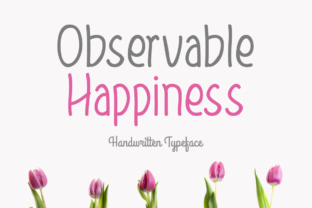
Observable Happiness
Observable happiness is more than a fleeting emotion—it's a design principle that shapes how users interact with visual elements, influencing their perception of a brand or message. In graphic design, this concept translates to creating visuals that evoke positive reactions, build trust, and enhance user experience through thoughtful composition, color, and typography.
When applied effectively, observable happiness can transform a simple logo into a powerful brand symbol or turn a basic website layout into an engaging digital space. It’s about crafting experiences that feel intuitive, welcoming, and emotionally resonant, ensuring that every element contributes to a cohesive and meaningful design.
The Role of Observable Happiness in Visual Design
In the realm of branding, observable happiness plays a crucial role in shaping a company’s identity. A well-designed logo, for instance, should not only be visually appealing but also communicate the values and personality of the brand. This emotional connection is what makes a logo memorable and impactful.
For marketing materials, observable happiness ensures that the message is not only clear but also inviting. Whether it’s a print ad, social media post, or email newsletter, the right combination of colors, fonts, and imagery can make a significant difference in how the audience receives the content.
Applications Across Creative Projects
Observable happiness extends beyond traditional branding and into various design fields:
- Website and UI design: A clean layout with balanced spacing and readable fonts enhances usability and creates a pleasant browsing experience.
- Editorial layouts: Thoughtful typography and visual hierarchy guide readers through content, making information easier to digest and more enjoyable to read.
- Packaging design: Eye-catching visuals and consistent color schemes reinforce brand recognition and create a sense of anticipation for the product inside.
- Social media graphics: High-quality images and cohesive themes help maintain a strong online presence and foster engagement with the audience.
Each of these areas benefits from a design approach that prioritizes both aesthetics and functionality, ensuring that the final output not only looks good but also serves its purpose effectively.
Key Considerations for Effective Design
Selecting the right design elements requires attention to detail and an understanding of the target audience. Consistency is essential—maintaining a unified style across all platforms strengthens brand identity and builds familiarity.
Readability should never be compromised. Even the most visually striking design fails if the text is hard to read or the layout is cluttered. Scalability is another factor to consider, especially when designing assets that will be used in different sizes and formats.
Visual hierarchy guides the viewer’s eye through the design, ensuring that the most important information is noticed first. This is particularly relevant in UI and web design, where clarity and efficiency are key to user satisfaction.
Enhancing Creative Workflows
Integrating observable happiness into the design process starts with research and planning. Understanding the brand’s voice, the audience’s preferences, and the project’s goals helps inform design decisions that align with the intended message.
Using tools like mood boards or style guides can streamline the creative workflow and ensure that all elements remain cohesive. Experimenting with different typefaces, color palettes, and compositions allows designers to find the perfect balance between creativity and clarity.
Ultimately, observable happiness is about creating designs that resonate on both an emotional and functional level. By focusing on quality, consistency, and user experience, designers can elevate their work and deliver results that truly stand out.